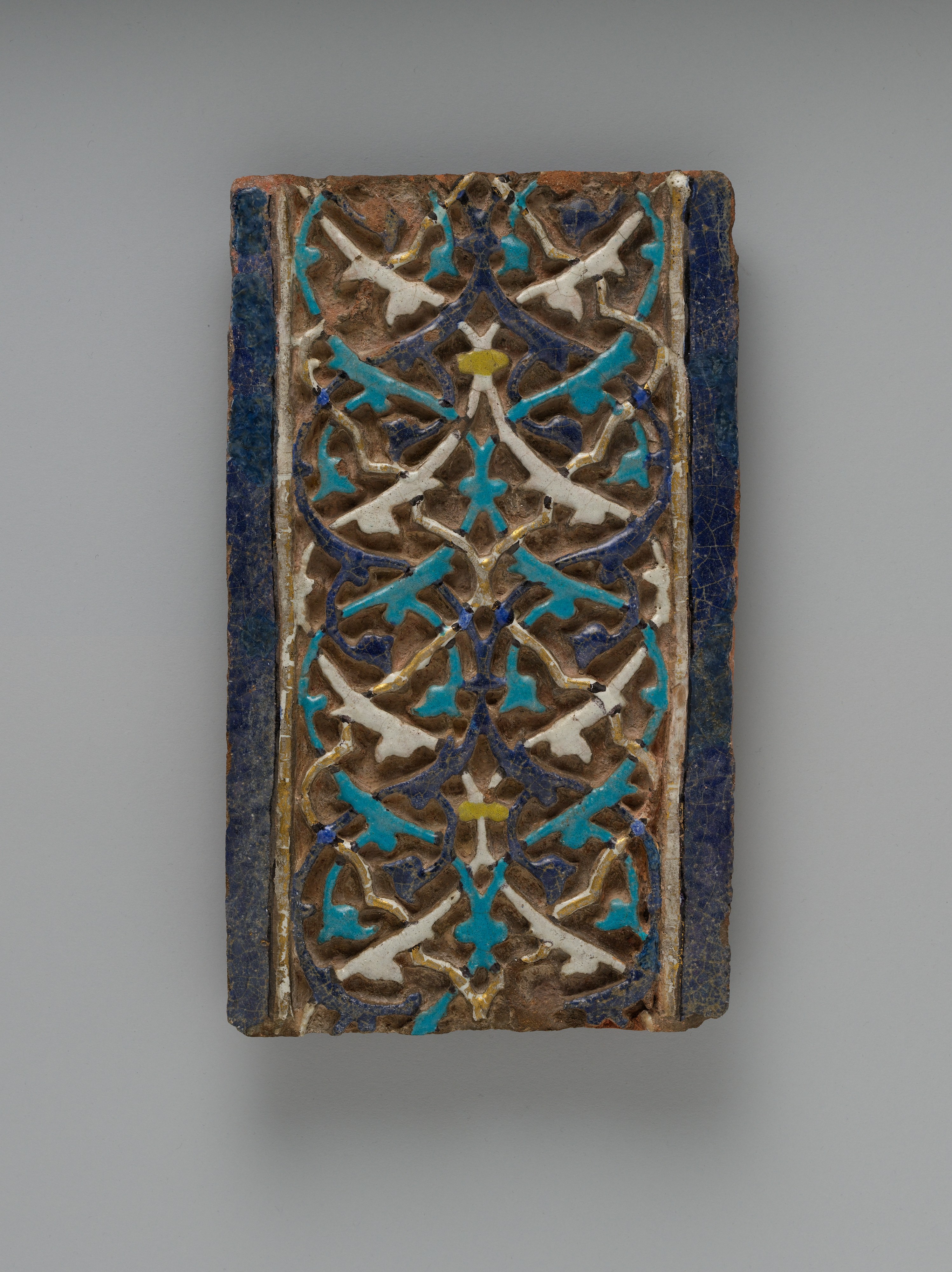
Safavid Cuerda Seca Tile Panel (Iran, 824 AH / 1421 CE)
A moulded polychrome tile in the cuerda seca (dry cord) technique, gilded, dated 824 AH / 1421 CE — from a Timurid or early Safavid architectural context in Iran. Metropolitan Museum of Art, New York.
The Art of the Persian TileTilework reached its apex in the architecture of Iran and Central Asia between the 13th and 17th centuries. The cuerda seca technique — in which manganese-outlined divisions prevent coloured glazes from running together during firing — allowed craftsmen to produce tiles of...
Subscribe to Read More
This exhibit contains full historical analysis, image galleries, and multimedia archives accessible to members only.
View Membership PlansAlready a member? Log in
LOCATION — 🇮🇷 Iran
Open World Map →Related Exhibits
Arts of Significance
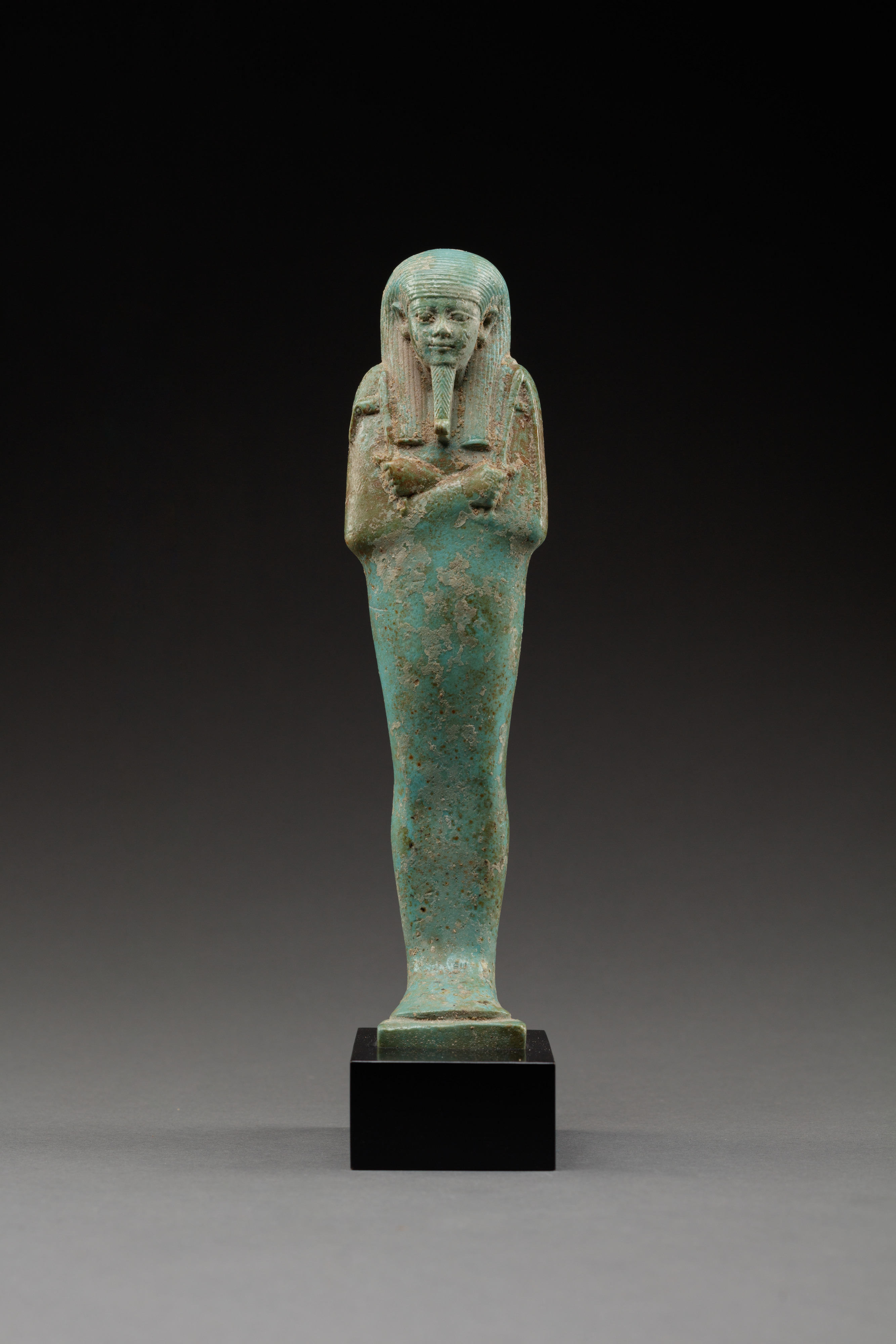
🇪🇬
Egypt
600 BC
Arts of Significance
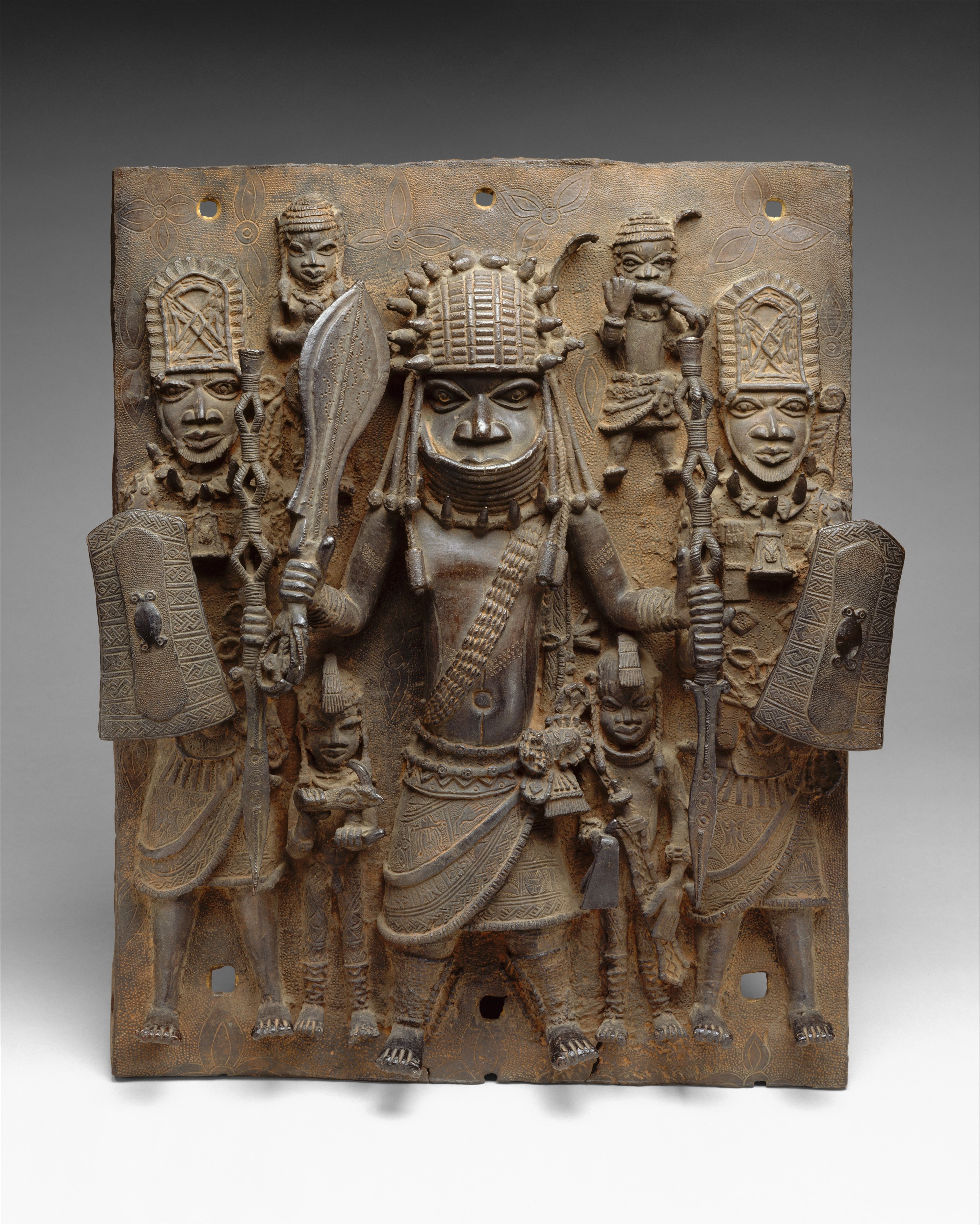
Benin Kingdom Brass Plaque: Warrior and Attendants
🇳🇬
Nigeria
1600 AD
Arts of Significance
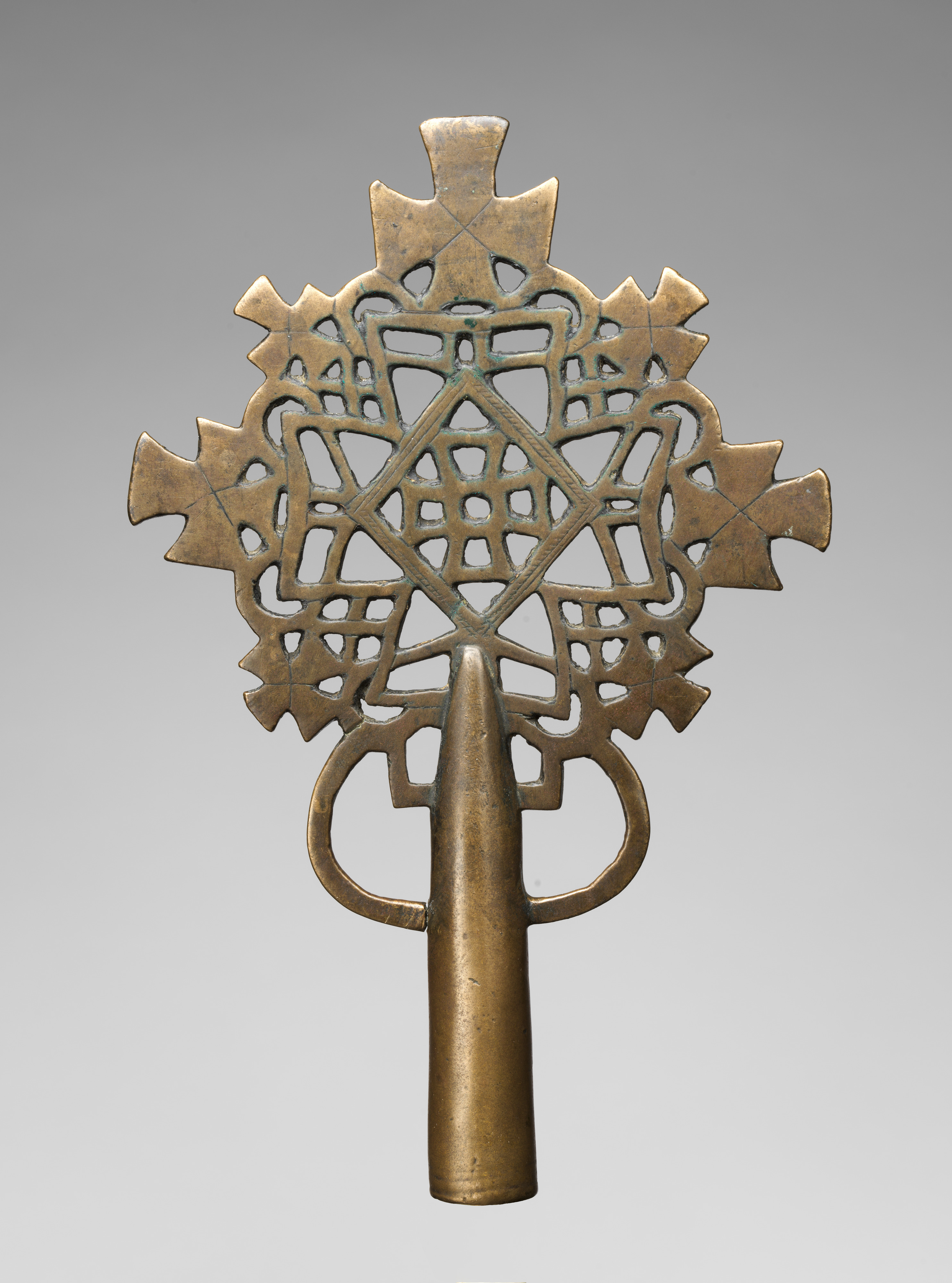
Amhara Processional Cross (Qäqwami Mäsqäl)
🇪🇹
Ethiopia
1480 AD
Arts of Significance
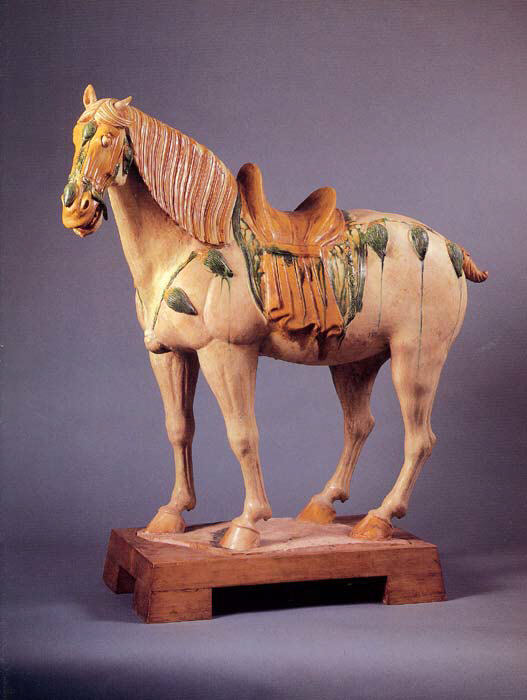
Tang Dynasty Earthenware Horse with Sancai Glaze
🇨🇳
China
700 AD